Home › Concrete and Block Masonry
We provide concrete and block masonry in Oklahoma City, OK for strong, economical walls and foundations. Our team builds CMU walls, stem walls, and partitions with reinforced cores and precise layout so your structure stays plumb, square, and ready for finishes.
Superior Masonry Oklahoma City provides professional block masonry throughout Oklahoma City, OK, Oklahoma and the surrounding area. Our licensed, insured crew delivers safe, clean, on-time work with a free estimate before anything begins. Call (405) 468-9479 or request your free quote.
Concrete and Block Masonry for Oklahoma City Properties
Superior Masonry Oklahoma City builds concrete and block masonry that is meant to handle Oklahoma wind, summer heat, and winter freeze-thaw cycles. We focus on structural performance first, then appearance, so you get work that looks good and stays sound.
When you contact us about block masonry, we start by asking how the structure will be used. A retaining wall that holds back soil, a load bearing wall for a shop, and a decorative garden wall each need different block types, footing depths, and reinforcement. We match the design to the purpose and to local soil and drainage conditions.
We also look at existing conditions around Oklahoma City. Many neighborhoods have clay-heavy soils that move with moisture. This affects footing depth, width, and reinforcement. We plan for that movement at the design stage so you are not dealing with cracks or leaning walls later.
From the beginning, you know what materials we plan to use, how deep we will dig, what reinforcement we will install, and how long each step will take under normal Oklahoma City weather conditions.
How We Install Block Masonry Walls and Structures
A standard block masonry project from Superior Masonry Oklahoma City follows a clear sequence so nothing is skipped.
First is layout and excavation. We mark wall lines, check property boundaries when needed, and verify grades so water will not sit behind or against the wall. Then we excavate for footings to a depth that matches both the design and local code. In many Oklahoma City jobs this is at or below frost depth to reduce heaving.
Next is forming and pouring the concrete footing. We install form boards if needed, set rebar in horizontal runs and vertical dowels that will connect into the block cores, then pour concrete that meets the specified strength, often 3000 to 4000 psi mix. We vibrate or rod the concrete to limit air pockets and finish the top to a level, clean surface.
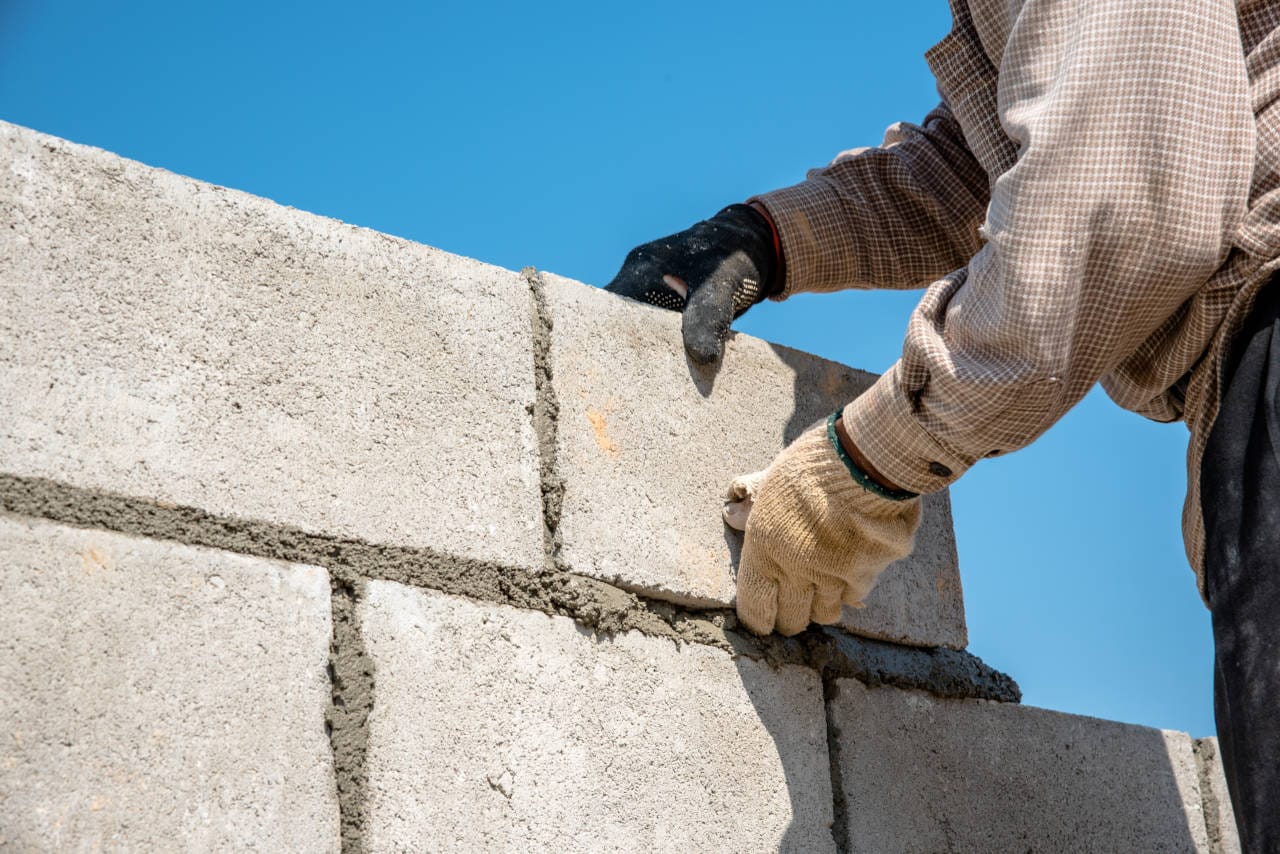
Once the footing has cured to the proper strength, we start laying block. We snap layout lines on the footing, then set the first course of block in full bed joints of mortar, checking level and plumb as we go. That first course controls everything above it, so we take extra time there. Higher courses are then stacked in a running bond pattern, joints are staggered for strength, and vertical cores that align with the rebar dowels are left open for grout.
After block is set to the designed height, we place vertical rebar where required, then pump or pour grout into specified cores. This locks the rebar and block into a single structural unit. Control joints are added where required to manage shrinkage and movement. Finally, we tool mortar joints for weather resistance and appearance and clean the wall face without smearing mortar across the block.
Concrete Work: Slabs, Pads, and Structural Support
Our concrete work ties directly into our block masonry so the whole system works together. Superior Masonry Oklahoma City pours slabs, grade beams, and structural support pads that support block walls, garages, additions, and outdoor features.
For slabs and pads, we begin with compacted base material, usually a layer of crushed rock or screenings. Proper compaction is critical on Oklahoma City lots with fill soil or areas that used to collect water. We then set form boards, establish slopes for drainage, and lay any moisture barrier or insulation if the project calls for it.
Reinforcement choices depend on what the slab will support. A simple patio may use welded wire mesh, while a workshop slab or block-supported structure often gets #3 or #4 rebar on a grid. For heavier loads, we form thicker edge beams or interior grade beams that tie directly into block or pier supports.
When we pour, we use mixes suited to Oklahoma temperature swings and expected loading. We work the concrete to bring up enough paste for finishing but avoid overworking the surface, which can weaken the top layer. Control joints are cut at the right spacing and depth to guide cracking. If the concrete will carry block walls, we place anchor bolts or dowels at the right locations and heights so the next phase of masonry ties in cleanly.
Finishes range from simple broom finishes for traction to smoother trowel surfaces in interior or sheltered spaces. For exterior slabs near block walls, we pay close attention to slope so water drains away from structures and does not sit along the base of the masonry.
Design and Material Choices for Block Masonry
Block masonry is not one-size-fits-all, and Superior Masonry Oklahoma City helps you pick options that fit both use and budget.
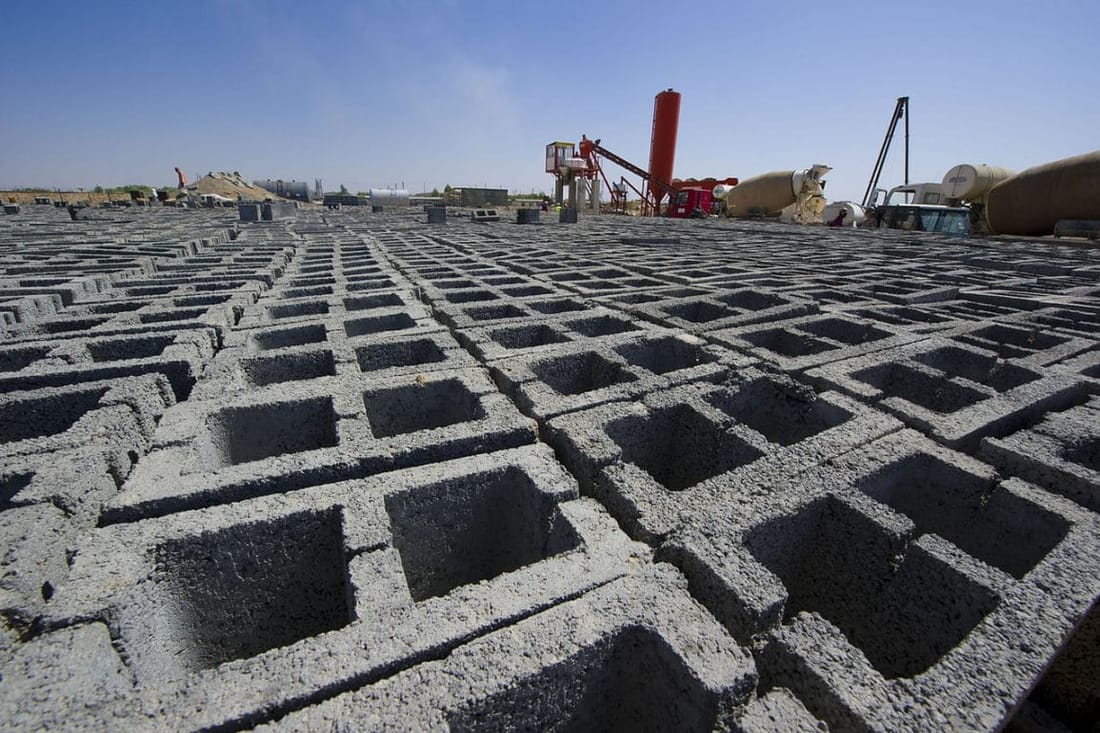
For structural walls, we typically use standard 8 inch concrete masonry units, but we adjust size and density depending on engineering needs. Heavier units or fully grouted cells may be required for taller retaining walls or walls that carry roof loads. For property line or privacy walls, 6 inch or 8 inch units may be used depending on wind exposure and height.
Face options include plain gray block, split face units, or textured and colored block that can eliminate the need for additional veneers. In many Oklahoma City neighborhoods, homeowners choose split face or colored block for front yard walls to match brick and siding colors. For more budget focused projects in side or back yards, plain block can be left exposed or finished later with stucco or paint.
Reinforcement and drainage are key design decisions. Taller walls, especially retaining walls, need proper weep holes, gravel backfill, and sometimes drain tile behind them. We explain which details apply to your site so you know why they appear in the estimate. Skipping these items may lower a bid, but it leads to pressure behind the wall, bowing, and cracking.
We also discuss caps and coping. Precast caps, poured-in-place concrete caps, or metal coping protect the top of the wall from water and give a finished appearance. The right cap can make a simple block wall look intentional and also reduce long term water intrusion into the cores.
Costs, Scheduling, and Local Considerations in Oklahoma City
Several factors drive the cost of concrete and block masonry in Oklahoma City, and Superior Masonry Oklahoma City lays these out clearly so you can compare bids.
Access is a major cost driver. If we can reach the work area with a truck or small equipment, excavation and concrete placement are more efficient. Tight backyards that require hand digging, wheelbarrowed concrete, or small mixers will increase labor time. Height of walls, need for engineered drawings, and amount of steel reinforcement also influence cost.
Soil conditions matter. Soft or expansive soils may require deeper or wider footings. Sites that need extra excavation, haul-off, or imported base rock will add to the budget. Retaining walls that hold back sloped yards or parking areas often require more engineering, thicker walls, more grout-filled cells, and proper drainage systems, all of which we detail in the proposal.
Weather and scheduling are important in central Oklahoma. The best windows for most block masonry and concrete work are spring and fall, when daytime temperatures hold steady and there is less risk of extreme heat or hard freezes. Summer projects can still be done, but we may adjust pour times to early morning and use curing methods that protect against rapid moisture loss. In winter, we follow cold-weather concrete and mortar guidelines so materials cure correctly.
We provide start and completion estimates that account for typical Oklahoma City rain patterns and wind delays. If weather interrupts work, we secure the site and protect fresh concrete or masonry until we can resume without hurting long term performance.
Common Problems, Repairs, and How We Prevent Them
A lot of our work at Superior Masonry Oklahoma City involves fixing past block masonry problems, which is why we design new projects to avoid the same issues.
One of the most common problems is cracking from inadequate footing design or lack of control joints. We prevent this by sizing footings correctly, installing sufficient rebar, and placing control joints at planned locations. For existing cracked walls, we evaluate whether the issue is cosmetic or structural. Solutions can range from epoxy injection and surface repair to partial demolition and reconstruction with improved foundations.
Drainage failures are another frequent issue, especially in Oklahoma City yards that have been regraded or where downspouts were added after the fact. When water collects behind retaining walls or against block foundations, walls can bow or joints can open. On new work, we include gravel backfill, filter fabric where needed, and, for retaining walls, drain pipes that daylight at safe locations. For repairs, we may open sections of wall, relieve pressure, add proper drainage, and rebuild or reinforce as needed.
Surface deterioration can occur when low quality mortar, improper tooling, or constant water exposure break down joints. We use mortar types that match the application and climate and tool joints to shed water. For older walls, we can repoint deteriorated joints, clean surfaces correctly so block is not damaged, and add sealers or caps to help shed water.
Before you hire any contractor for block masonry, ask about footing dimensions, rebar size and spacing, grout plans, and drainage details in writing. A lower price that skips these items usually means you are paying for a short-term fix. Our estimates spell out these details so you understand exactly what is supporting your wall or slab and how it should perform over time.