Home › Chimney Masonry Repair
Our chimney masonry repair team in Oklahoma City, OK fixes brick, mortar, and crowns to keep your fireplace system safe and dry. We address cracks, leaning chimneys, and water damage with proper rebuilds and sealing so your chimney functions correctly and looks sound above the roofline.
Superior Masonry Oklahoma City provides professional chimney masonry repair throughout Oklahoma City, OK, Oklahoma and the surrounding area. Our licensed, insured crew delivers safe, clean, on-time work with a free estimate before anything begins. Call (405) 468-9479 or request your free quote.
Chimney Masonry Repair in Oklahoma City, Done the Right Way
A chimney in Oklahoma City takes a beating from fast temperature swings, wind, and hail. When the masonry begins to fail, you are dealing with more than an eyesore. Loose brick, cracked mortar, and a leaking chimney can allow water into your attic, damage your roof decking, and weaken the structure around your fireplace or furnace.
Superior Masonry Oklahoma City focuses on chimney masonry repair that actually solves the problem at its source, not just covers it up with a quick patch. We inspect your chimney from foundation to cap, identify what is failing, why it is failing, and then match repair methods and materials to the age and construction of your home. Our crew works year round throughout Oklahoma City and nearby communities, so we know how local weather and soil movement affect chimneys on slab foundations, older pier and beam homes, and newer builds alike.
Common Chimney Problems We See in Oklahoma City
In this area, the most frequent chimney masonry repair issues we handle start with water and movement. Hairline cracks in mortar joints may not look serious, but in Oklahoma City freeze-thaw cycles, those small cracks can widen quickly. Moisture soaks into the mortar, freezes on cold nights, expands, and slowly pushes bricks apart.
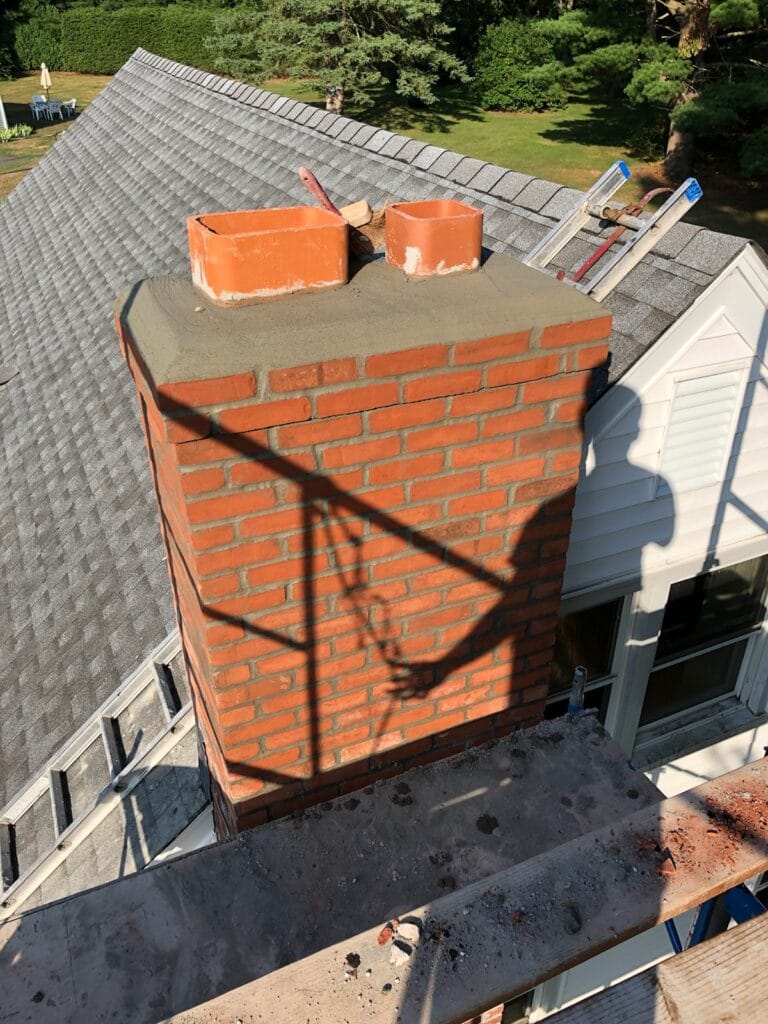
We also see a lot of spalled brick faces, where the outer surface of the brick flakes or pops off. This often happens on chimneys that have been painted with non-breathable coatings or where the original brick was not designed for long-term exposure. Another common problem is a cracked chimney crown, the mortar or concrete top that sheds water. When the crown splits, water runs straight into the bricks below and into the flue chase.
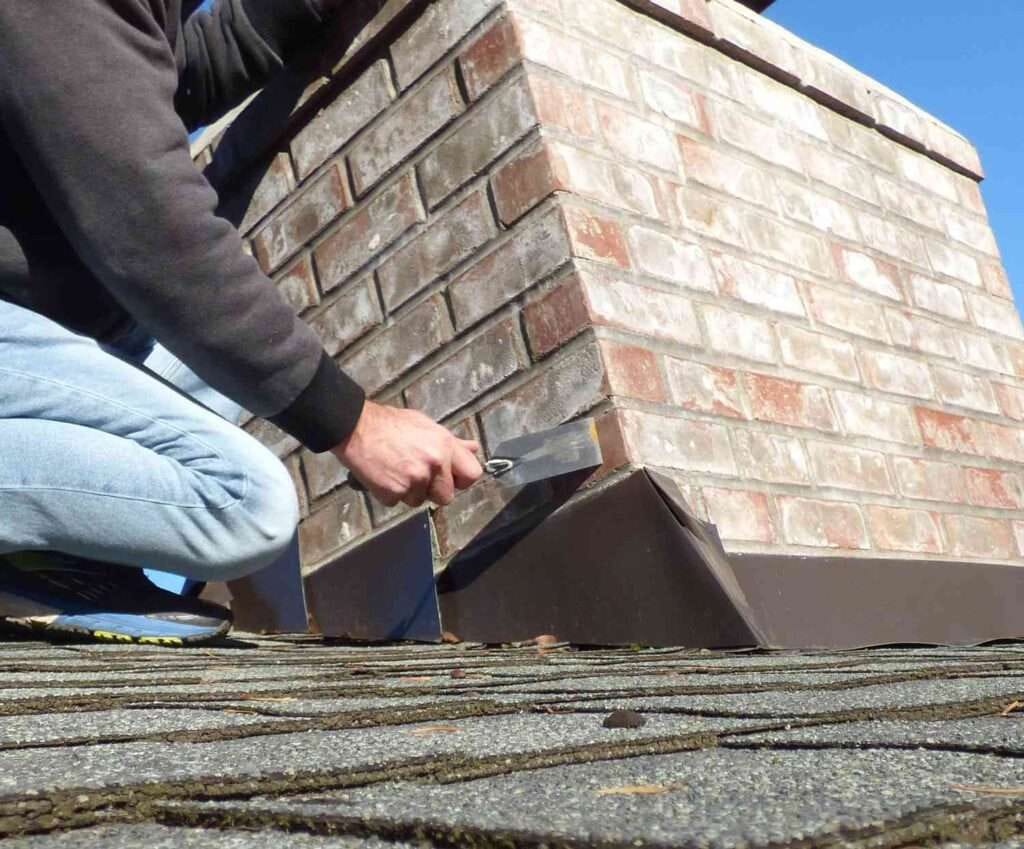
Around the roofline, flashing failures are common. Homeowners often assume a roof leak is a roofing issue, but many times it is deteriorated step flashing, counter flashing, or mortar around the flashing on the chimney. We also routinely correct previous poor repairs, such as smearing surface mortar over failing joints or applying incompatible mortar that is too hard for older brick, which can cause more cracking over time.
Our Detailed Chimney Masonry Repair Process
Superior Masonry Oklahoma City follows a clear step-by-step process so you know exactly what is being done to your chimney.
First, we perform a visual and tactile inspection from the ground and the roof. When needed, we use ladders, roof jacks, and camera tools to inspect the full height of the chimney, including the crown, shoulders, and any exposed interior masonry. We note loose bricks, missing mortar, signs of water staining, efflorescence (white mineral deposits), and gaps around the flashing.
Next, we develop a repair plan. For minor joint deterioration, this might be targeted tuckpointing. For more serious damage, it might involve rebuilding a section of the chimney, replacing the crown, or redoing the flashing. We explain the options, the level of disruption involved, and what is most cost effective for the remaining life of your roof and fireplace system.
During the repair, we start by carefully removing failed materials. For tuckpointing, this means grinding or raking out the loose mortar to a proper depth, usually around two to three times the width of the joint, without damaging the brick edges. For brick replacement, we remove the damaged units, clean the cavity, and prepare bed and head joints for new brick.
We then install new mortar or brick using tight, fully packed joints, followed by tooling the joints to match the existing profile. If the crown is being replaced, we build forms, provide correct slope for drainage, incorporate expansion joints if needed, and use a concrete or specialized crown mix suited to our climate. Finally, we address waterproofing and cleanup, including optional breathable sealers and inspection of the surrounding roof area.
Materials, Mortar Matching, and Local Climate Considerations
For chimney masonry repair, using the right brick and mortar is critical. In Oklahoma City, many homes have regionally sourced brick that varies in hardness and color by neighborhood and era. Superior Masonry Oklahoma City keeps sample boards and supplier relationships so we can source brick that blends visually and behaves similarly to the existing masonry.
Mortar is not one product. We adjust the mix based on the original chimney. Older homes may require a softer lime-rich mortar, while newer chimneys typically use harder Portland-based mixes. Using mortar that is too hard on an older chimney can cause the brick faces to crack and fail before the mortar gives, which leads to more costly repairs later.
We also consider sun exposure and wind patterns. South and west facing chimneys in Oklahoma City often weather faster, so we select materials and sealants that handle UV exposure and driving rains. For tall chimneys that sit above the roof peak and catch strong winds, we pay close attention to bond patterns, joint compaction, and crown design so the chimney can handle lateral loads in storms.
Cost Factors and What Influences Your Estimate
Chimney masonry repair costs vary based on several specific factors, not just chimney height. The main drivers are the extent of deterioration, accessibility, and the type of repair needed.
If your chimney only needs localized tuckpointing on a few courses above the roofline, the cost is driven mainly by setup time, safety gear, and labor for grinding and repointing. When multiple sides, full height, or interior sections are involved, those labor hours increase. If bricks are cracked or spalling across larger areas, we may recommend partial rebuilds, which include demolition, disposal, and rebuilding with new materials.
Accessibility also matters. A chimney on a one-story ranch home with open yard access is faster to set up than a tall chimney over a steep two-story roof. We factor in scaffolding, lifts, and additional safety measures. Roof condition can also influence cost, since fragile or damaged shingles may require extra protection or temporary walk boards.
Material selection can change the estimate slightly. Standard red brick and common mortar mixes are more economical than specialty brick or custom color-matched mortar, though we always discuss the tradeoff between cost and appearance. Finally, needed related work, such as new flashing, crown replacement, or installing a proper chimney cap, may be included in a comprehensive quote so you understand the full scope up front.
Repair Options: Tuckpointing, Rebuilding, Crowns, and Waterproofing
Most chimney masonry repair projects combine a few core techniques. Tuckpointing is the process of removing deteriorated mortar from joints and packing new mortar into the gap. This strengthens the chimney and blocks water entry points without tearing down brickwork that is still structurally sound.
When sections of the chimney have shifted or the bricks have lost strength, we may recommend partial or full section rebuilding. For example, the top 3 to 6 courses above the roofline may be dismantled and rebuilt in the same pattern. In more severe cases, especially on older unlined chimneys, we might rebuild from the roofline up while coordinating with a chimney sweep or HVAC contractor if flues are in use.
Crown work is another key element. A proper crown has a drip edge that pushes water away from the chimney sides, adequate thickness to resist cracking, and a slight slope. We repair or replace crowns using appropriate mixes and reinforcement, and we seal minor cracks with elastomeric products when full replacement is not needed.
Waterproofing is often the final step. On suitable masonry, we apply a breathable water repellent that allows moisture vapor to escape while limiting liquid water intrusion. This is particularly helpful for chimneys that have already experienced water-related damage and for those on homes with minimal roof overhangs where the chimney is exposed to direct rainfall.
What Oklahoma City Homeowners Should Ask Before Hiring
Before you hire anyone for chimney masonry repair, there are a few key questions that protect your home and your budget. Ask whether the contractor has specific experience with chimneys, not just general brick work. Chimneys involve structural, waterproofing, and fire safety considerations that a basic mason may overlook.
Request details on how they will access the chimney and protect your roof and landscaping. At Superior Masonry Oklahoma City, we outline staging, fall protection, and how we prevent damage to shingles and gutters. We also explain how we will handle dust control and debris removal.
Ask about mortar matching and brick sourcing. A vague answer like "we will make it close" can lead to obvious patchwork repairs that hurt your home's appearance and value. We provide realistic expectations on color match and show samples when necessary.
Finally, confirm that you will receive a written scope of work that lists specific chimney masonry repair tasks, such as linear feet of tuckpointing, number of bricks to be replaced, crown work, flashing work, and any waterproofing. This makes it easier to compare estimates and ensures that the work completed on your Oklahoma City home truly addresses the issues that led you to call for help.